
From our passion, innovation is born
- DxS
- Hydrophones
- FOWIM
About the DxS Platform
Fosina introduces the DxS solution, a modular distributed fiber optic sensing technology that can combine in a single interrogator:
- Distributed Acoustic Sensing (DAS)
- Distributed Strain Sensing (DSS)
- Distributed Temperature Sensing (DTS),
- Distributed Thermal Gradient Sensing (DTGS)
It offers the flexibility to combine the best of DAS, DSS, DTS and DTGS with unequalled performances in the market.
DAS and DSS/DTS modes automatically software selectable to acquire multiple parameters (temperature, strain, acoustic and thermal gradient) with a single interrogator
1.5 m > Spatial Resolution > 100 m
0.5 m > Spacing > 20 m
Fiber Length up to 200 km
Ping Rate up to 100 kHz
Our DxS can independently pre-process the massive amount of data that is gathered and execute any post-processing required by the client. The system allows for clients and partners to use DxS processing hardware to run their own algorithms, including optional GPGPU (General-Purpose Graphics Processing Unit) support.
Integrated & customizable alarm display with SCADA data delivery
The DxS can be mounted in customized transport case that allow the equipment to travel safely across the world against harsh environment where drop, vibrations and water can happen.
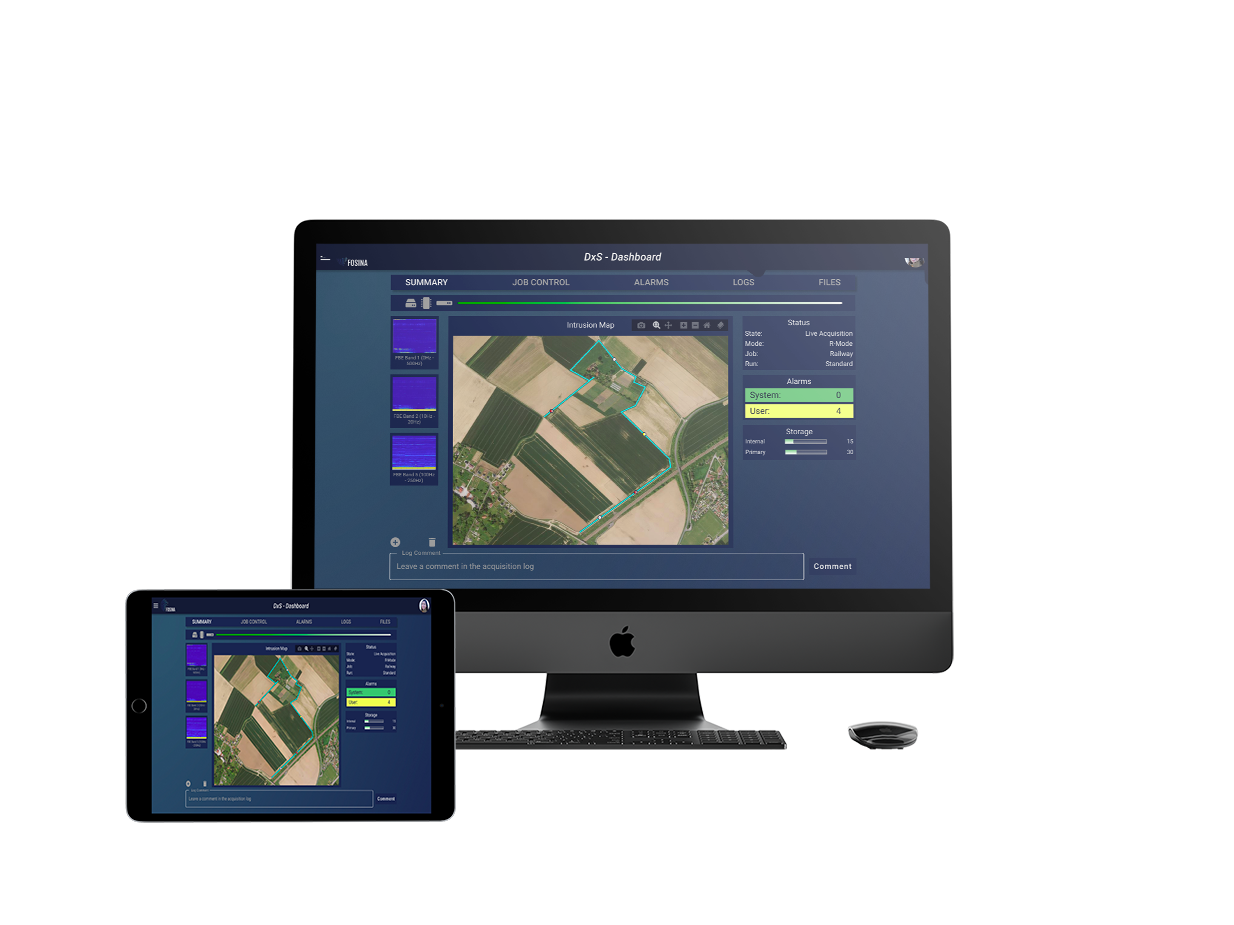
FOSINA designed its own web-based user interface to enable anyone across the world to remotely access the DxS from any web-browser with a secured, authenticated connection.
Up to 100 km range on a single existing telecommunication fiber
Ability to acquire simultaneously multiple sensing fibres with only one DxS.
Simultaneous DAS+DTS, DAS+DSTS or DTS+DSTS measurements on the same fiber.
Up to 144 TB of local storage with ability to extend with additional storage units
Operating temperature: 0 °C to 50 °C
Storage temperature : -20 °C to 70 °C
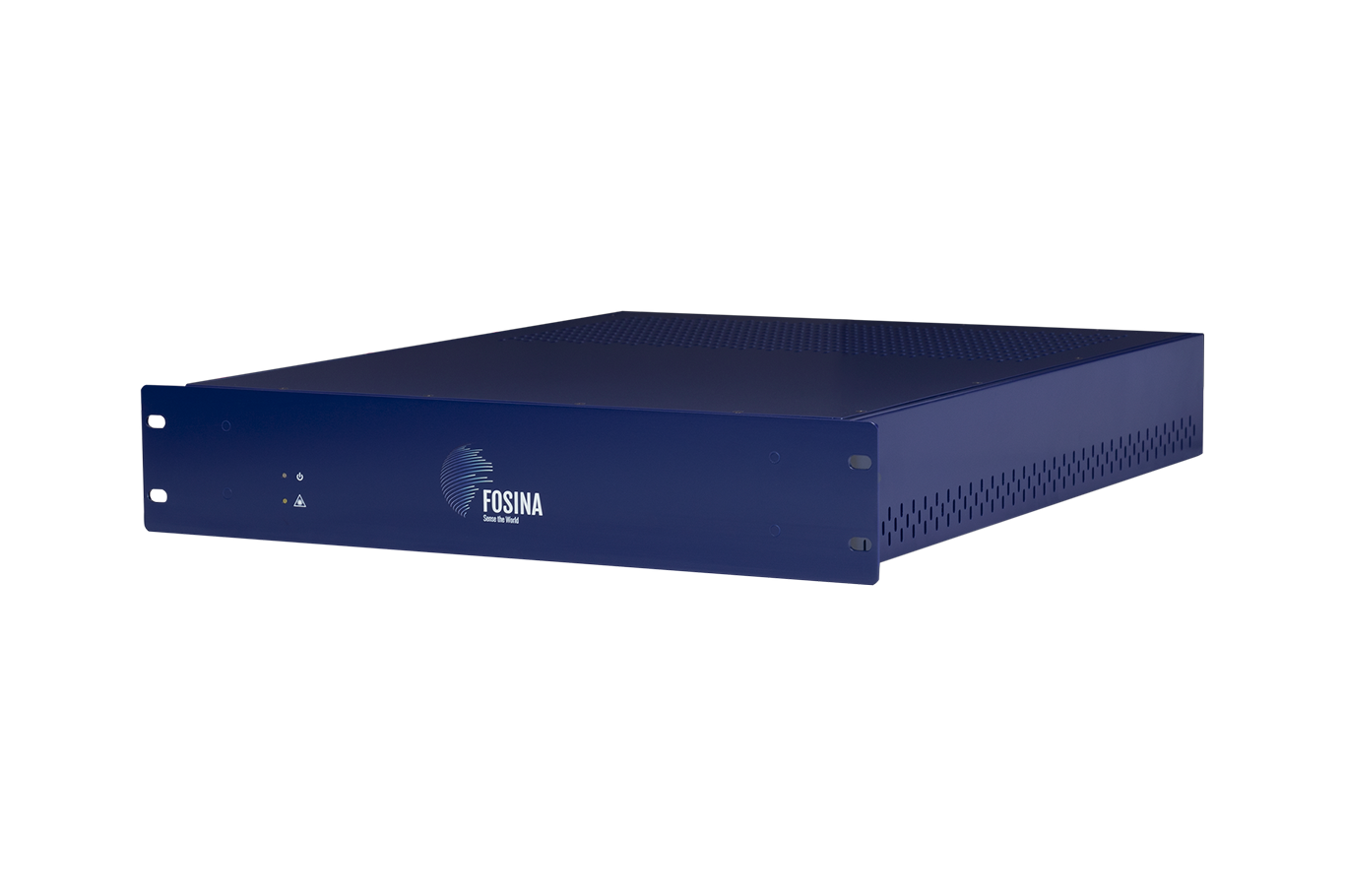
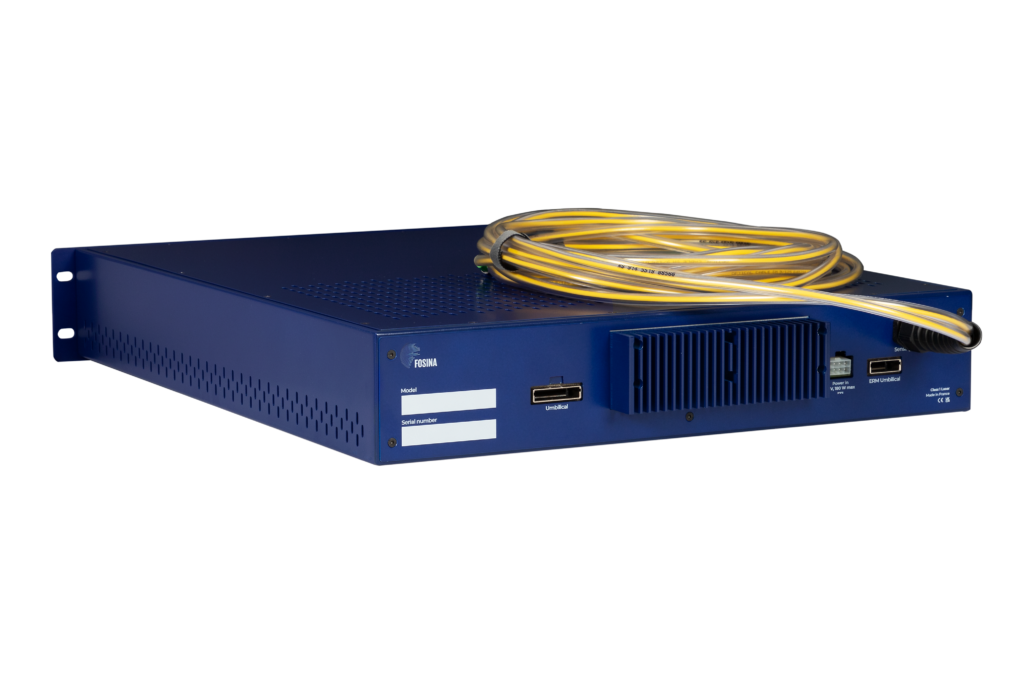
All the optics combining DTS, DSS and DAS have been incorporated into a single 2U rack space unit.
DxS is provided with its GPS antenna to ensure that every single optical pulse sent down the fiber is accurately time-stamped.
FOSINA DxS Software
FOSINA used decades of experience in fiber sensing software development to release a complete web-based user interface that can setup, control, and visualize remotely and in real-time any data acquired across the globe.
Web-based user interface accessible remotely from anywhere in the world using a secure login to test, calibrate and acquire
Real-time visualization of alarms along the fiber route on GIS map. Ability to display in real-time or post acquisition distance versus time data in different formats.
Full GPU allocated for clients and partners to integrate and run their own algorithms and softwares within DxS hardware.
Ability to reprocess temperature, strain or acoustic data to optimize settings depending on events detected.
Automated fiber calibration to minimize commissioning time and optimize signal quality.
Real-time detection and classification of third party interferences using leading machine learning algorithms.
Our solution can allow multiple DxS interrogators to be networked together. Each interrogator can also handle multiple fibers.
The interrogator can send data to the operator control system via a variety of communication protocols for seamless integration with your structural integrity and predictive maintenance monitoring application.
Hydrophones
Hydrophones are high-performance underwater acoustic sensors designed to detect minute pressure variations in water. Used in marine seismic acquisition and subsea monitoring, they deliver reliable, high-resolution acoustic data in demanding offshore environments.
Integrated into towed streamers or deployed in underwater and borehole systems, our hydrophones feature built-in acceleration compensation, effectively reducing motion-induced noise and enhancing signal fidelity. They provide precise pressure-based measurements, complementing geophones that measure particle motion.
Streamer Hydrophones
Streamer-based marine seismic acquisition relies on hydrophones integrated into towed streamers deployed behind seismic vessels. These systems operate in highly dynamic environments, where sensor motion, flow noise and mechanical vibrations can significantly impact data quality. High-performance streamer hydrophones are therefore designed to deliver stable, low-noise pressure measurements while withstanding continuous towing and harsh offshore conditions.
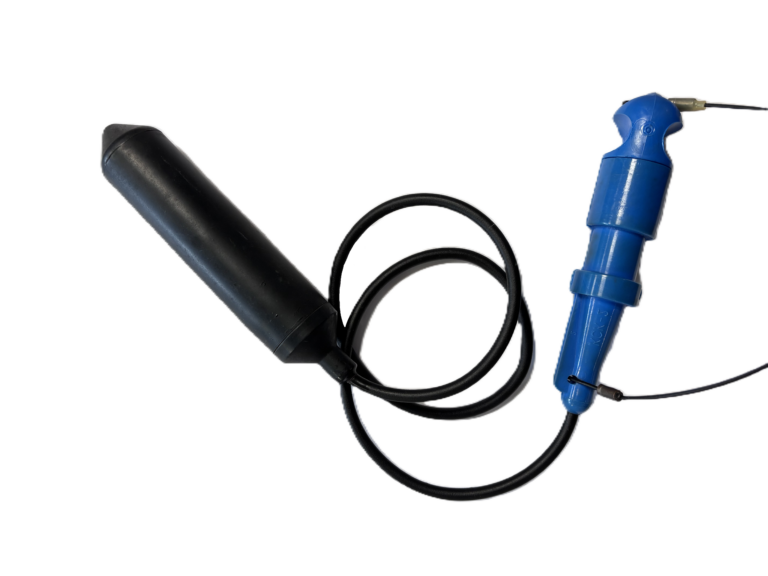
NH95-250 hydrophones are high-performance underwater acoustic sensors designed for marine seismic acquisition and subsea monitoring applications.
All NH95-250 hydrophones are individually calibrated to ensure consistent and reliable performance. The NH95-250 series provides a linear frequency response and omnidirectional sensitivity over a wide frequency range.
All NH95-250 hydrophones incorporate a protective cell and are fully waterproof. They are engineered to resist corrosion and to operate reliably in environments with very high salinity levels.
Built-in acceleration compensation reduces motion-induced noise and improves signal fidelity in dynamic marine conditions.
Key Differentiations
- Built-in acceleration compensation, reducing motion-induced noise and enhancing signal fidelity
- Individually calibrated sensors, ensuring repeatable and consistent acoustic performance
- Linear and omnidirectional response over a wide frequency band
- Compact and lightweight design, enabling easy integration into various subsea systems
- Rugged construction, optimized for harsh marine environments
- Fully waterproof and corrosion-resistant, suitable for high-salinity conditions
- Long operating life, supporting extended deployment campaigns
- Very small size & Light weight
Features
Dimensions : 0.67 inch (17mm) diameter (+/-0.5mm) 0.78 inch (20 mm) length (+/-0.5mm)
Weight : 0.48 ounce (13.6 gr.) (+/-1gr )
Operating temperature : 32°f to 122°f (0°c to 50°c)
Storage temperature : -4°f to 150°f (-20°c to 65°c)
Destruction depth : greater than 1000 feet (300m)
Capacity :16 nf ±5%
Impedance : greater than 500 mOhm, in water
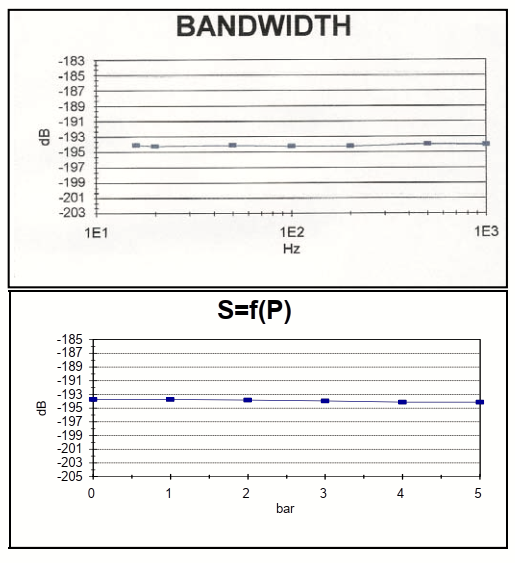
Sensitivity : 20v / bar +-18% (-194 db) ref: 1v/ µ pa
frequency response : flat from 2 hz to 1 khz.
Lowest mechanical resonance : above 4 khz.
Acceleration output : better than –60db, re 1v/g
NH95-250 DR hydrophones are depth-restricted underwater acoustic sensors specifically designed for applications subject to regulatory or export constraints.
These hydrophones are available with either normally open or normally closed switch configurations and are individually calibrated to ensure consistent and reliable performance. The NH95-250 DR series provides a linear frequency response and omnidirectional sensitivity over a wide frequency range.
All NH95-250 DR hydrophones incorporate a protective cell and are fully waterproof. They are engineered to resist corrosion and to operate reliably in environments with very high salinity levels.
Key Differentiations
- Built-in acceleration compensation across the entire DR range, reducing motion-induced noise and improving signal fidelity
- Depth-restricted design, enabling simplified regulatory compliance and exportability
- Individually calibrated sensors, ensuring repeatable and consistent acoustic performance
- Omnidirectional response with excellent linearity over a wide frequency band
- Rugged construction with corrosion resistance and full waterproof protection for harsh marine environments
- Very small size & Light weight
Features
Dimensions : 0.67 inch (17mm) diam. (+/-1mm) 1.38inch (35mm) length (+/-1mm)
Weight : 0,74 ounce (21 gr.)
Operating temperature : 32°f to 122°f (0°c to 50°c)
Storage temperature : -4°f to 176°f (-20°c to 80°c)
Destruction depth : greater than 500 feet (150m).
Capacity 16 nf ±5%.
Impedance greater : than 500 mOhms, in water.
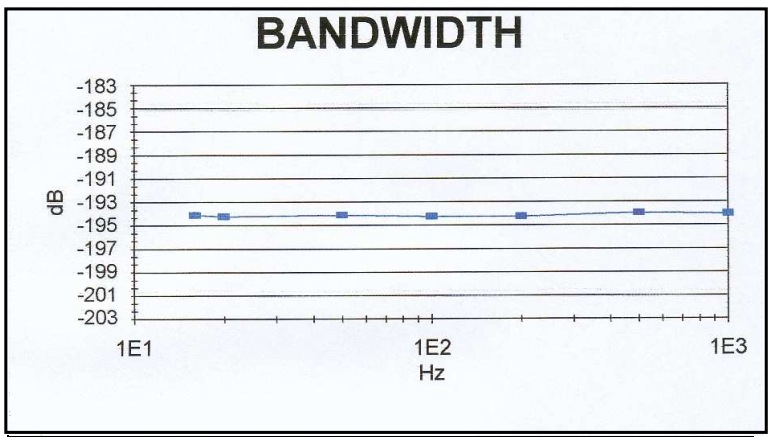
Sensitivity : 20v / bar +-18% (-194 db) ref: 1v/ µ pa
Frequency response : flat from 5 hz to 1 khz.
Lowest mechanical resonance : above 4 khz.
Acceleration output : less than 1 mV/g due to acceleration in the three major axes
Transition Zone Hydrophones
Transition zones (TZ) are shallow-water environments where conventional marine seismic acquisition using towed streamers is not feasible. These areas include near-shore regions, marshes, lagoons, and tidal flats.
In such environments, seismic sources may be deployed by ramming explosives into unconsolidated sediments, avoiding the need for costly drilled shot holes. Likewise, specialized hydrophones can be installed by ramming, providing improved coupling of the receiver to the ground while significantly reducing acquisition time and operational costs.
NH95-TZ is a high-performance analog hybrid hydrophone specifically designed for transition zone seismic acquisition. It integrates its own power supply and low-noise pre-amplifier within a single compact package.
All NH95-TZ hydrophones are individually calibrated to ensure consistent and reliable performance. The NH95-TZ provides a linear frequency response and omnidirectional sensitivity over a wide frequency range.
All NH95-TZ hydrophones incorporate a protective cell and are fully waterproof. They are engineered to resist corrosion and to operate reliably in environments with very high salinity levels.
Key Differentiations
- Compact and rugged design, optimized for ramming installation in transition zone environments
- Single integrated package including low-noise piezoelectric sensing element, pre-amplifier, and battery
- Wide bandwidth with linear and omnidirectional acoustic response
- Minimum two-year battery life, enabling extended field operations without maintenance
- Fully waterproof and corrosion-resistant, suitable for harsh, high-salinity conditions
Features
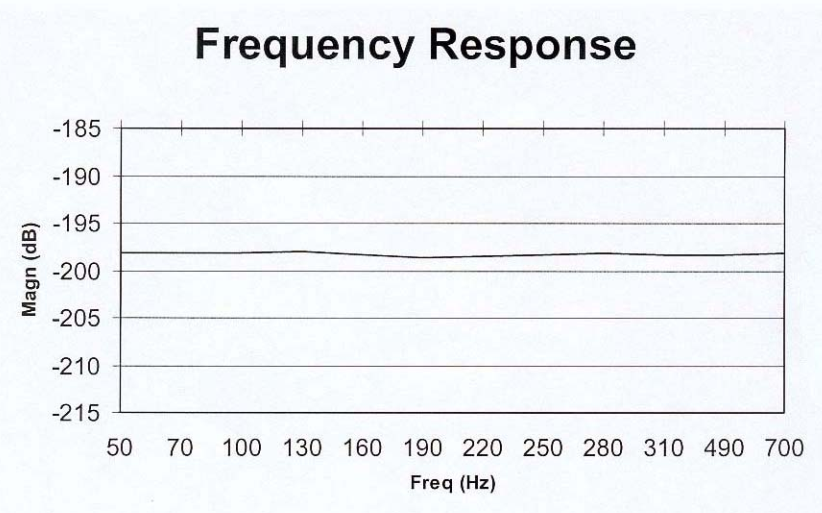
Frequency response: 50 Hz to 1 kHz
Voltage sensitivity: (1) -198,5 dB ± 1,5 dB (re 1V/µPa) other upon request
Operating depths: 0 to 50 meters (0 to 164 ft)
Operating temperature: 0°C to 50°C Storage temperature: -20°C to +70°C
Output impedance: (1) 1,5 Ohm other upon request at 100 Hz
Length : 160 mm (6,3 in)
Diameter : 33 mm (1,3 in)
Weight : 190 gr. (6,7 oz)
Benefits
*Small size
*Rugged construction
*Single package including low noise piezoelectric design, preamp. and battery
*Minimum two years battery life
*Wide bandwidth
Ocean Bottom Cable (OBC) Hydrophones
Ocean Bottom Cable (OBC) seismic acquisition uses hydrophones and geophones deployed directly on the seabed to record seismic signals with high spatial stability. Unlike towed streamer systems, OBC installations provide improved coupling to the seabed and are less affected by surface motion and towing-induced noise.
OBC hydrophones are designed to operate in harsh subsea environments, with long deployment durations, high external pressures, and exposure to corrosion and biofouling. Reliable performance, low self-noise, and mechanical robustness are therefore essential to ensure high-quality seismic data over extended acquisition campaigns.
The NH95-HP900 hydrophones are used in Ocean-Bottom Cables (OBC) for high-pressure conditions. The OBC is typically an assembly of vertically oriented geophones and hydrophones connected by electrical wires and deployed on the seafloor to record and relay data to a seismic recording vessel. Such systems were originally introduced to enable surveying in areas of obstructions (such as production platforms) or shallow water inaccessible to ships towing seismic streamers (floating cables). All NH95-HP900 hydrophones are individually calibrated. NH95-HP900 provide a linear frequency response and are omnidirectional over a wide range of frequencies. All our hydrophones have a protection cell; they are completely waterproof, resist corrosion and can withstand very high salinity levels.
Key Differentiations
- Fully waterproof design, ensuring reliable operation during long-term seabed deployments
- Compact and lightweight construction, enabling easy handling and efficient OBC integration
- Rugged mechanical design, optimized for harsh subsea and seabed environments
- Long operating life, supporting extended seismic acquisition campaigns
- High reliability in corrosive marine conditions, including high salinity environments
Features
Diameter: 0.67 inch (17mm) (+/-0.5mm)
Length : 0.78 inch (20 mm) (+/-0.5mm)
Weight : 0.56 ounce (16 gr.)
Operating temperature : 32°F to 122°F (0°C to 50°C)
Storage temperature : -4°F to 176°F (-20°C to 80°C)
Destruction depth : Greater than 6.562 feet (2 000m).
Capacity : 11 nF ± 10%.
Impedance : Greater than 500 MOhms, in water.
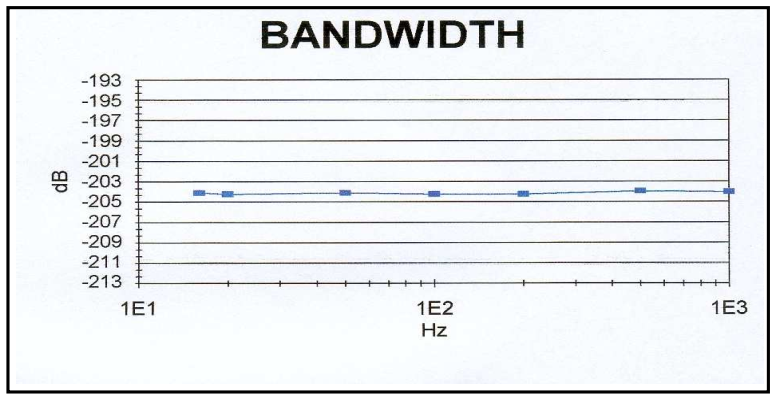
Sensitivity : 7V / bar +-18% (-203 db) Ref:1V/µPa
Frequency response : Less tha 8 kHz
Lowest mechanical resonance : more than 10 kHz.
Acceleration : Output is better than –60dB, re 1V/g, due to acceleration in the three major axes. Tests performed in air at 20 Hz.
High Pressure Subsea Applications
High-pressure subsea environments impose extreme mechanical constraints on acoustic sensors, including elevated hydrostatic pressures, rapid pressure variations, and long-term exposure to corrosive seawater. In such conditions, reliable acoustic measurements require sensors specifically engineered to maintain structural integrity and stable performance under sustained and transient overpressure.
Hydrophones designed for high-pressure subsea applications must therefore combine robust mechanical protection, precise calibration, and consistent acoustic response, ensuring dependable operation in the most demanding underwater environments.
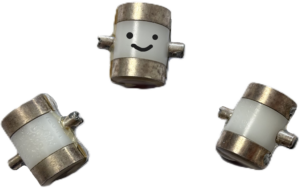
HC-2000 hydrophones are high-performance underwater acoustic sensors specifically designed for high-pressure and high-frequency applications in demanding subsea environments.
All HC-2000 hydrophones are individually calibrated across multiple frequencies to ensure accurate, repeatable, and reliable acoustic performance. The HC-2000 series provides a linear frequency response and omnidirectional sensitivity over a wide frequency range.
The HC-2000 hydrophones feature a robust pressure-resistant design and are fully protected against overpressure conditions, ensuring safe and reliable operation in extreme subsea pressure environments.
Key Differentiations
- High-pressure resistant design, suitable for extreme subsea environments
- Full overpressure protection, ensuring sensor integrity and operational safety
- Individually calibrated at multiple frequencies, delivering consistent and reliable measurements
- Linear and omnidirectional response over a wide frequency band
- Optimized for high-frequency acoustic applications
Features
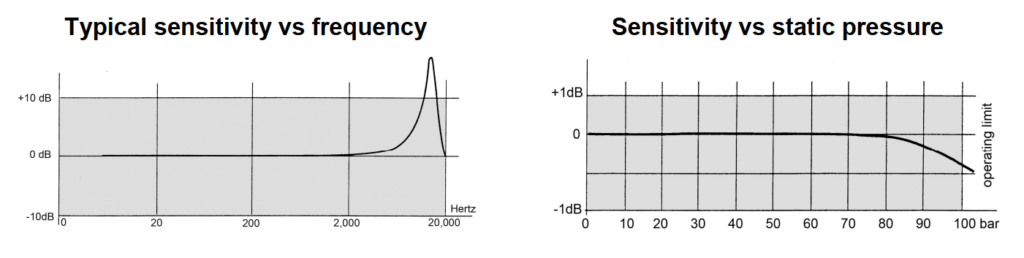
Sensitivity : 80µV/Pa ± 15% or -2022dB re 1 V/µPa ± 1.5dB
Acceleration sensitivity : -70 dB re 1 V/g ± 1.5dB
Capacity : 12nF ± 10%
Operating depth : 0 to 1,000 m / 0 to 3,280 ft
Sensitivity changes with depth : < 1db
Frequency response : flat from <1Hz to more than 10kHz
Lowest Mechanical Resonance : above 10kHz
About FOWIM
The FOWIM technology from Fosina is the state-of-the-art WIM (Weight-In-Motion) system globally where the transducer is only sensing with optical fiber (completely passive with no electronics) and allow to collect and process axle weight from overloaded truck in real time with no impact on traffic flow. The system has been designed in such a way that can be upgraded over time if additional features such as tyre pressure is required.
On-board I/Os are used to communicate with the transducer which is monitoring overloaded trucks and data processed and stream to Security Center to visualize alarms via a web-based interface designed by FOSINA
The FOSINA Automatic License Plate Recognition system presents the following features: - On-board ALPR processing ensures high-performance, scalability, and ultra low reading latency. - Varifocal lenses ease specification and design - Power over Ethernet Plus (PoE+) enabled to simplify deployment - IP67-rated enclosure allows for operation in extreme weather conditions and harsh environments - Read license plates - Dual lane feature available
Each FOWIM sensor consists of an optical transducer along with an associated data acquisition hardware, embedded PC, 3G/LTE modem, and ALPR system. The full sensor operates on less than 100W, enabling it to be powered from harvested energy supplies.
With processing on-board, the FOWIM solution brings intelligence to the edge of the system with ultra low reading latency. Since only plate read data needs to be transferred over the network, this means decreased data load on the network and server as all the image processing and analysis is done in the unit.
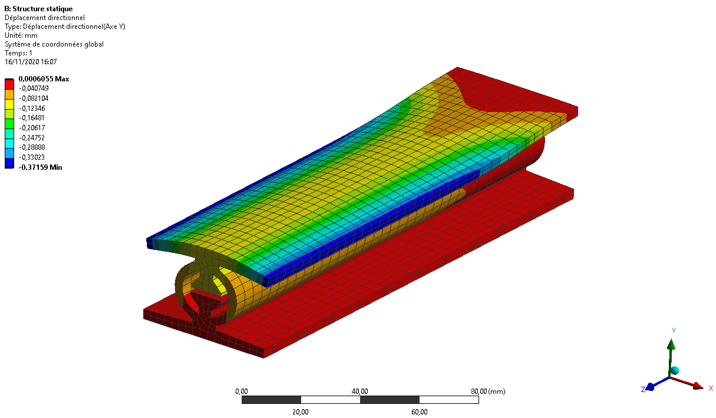
The design of our transducer is taking into account three key elements that makes it unique: - Designed to maintain mechanical properties and resist over time without losing its elastic properties. - Designed to have the best mechanical transfer function between the transducer and the fiber optic itself. - Designed to allow ease of implementation and commissioning
FOWIM acquisition system is contained within a ruggedized enclosure which is easy to transport and once installed has a small footprint.
FOSINA is partnering with an experienced company that is used to design enclosures for deploying equipment in harsh environment along highways. A customized modelling for heat dissipation is completed to fit country weather.
FOWIM Web-Based Software
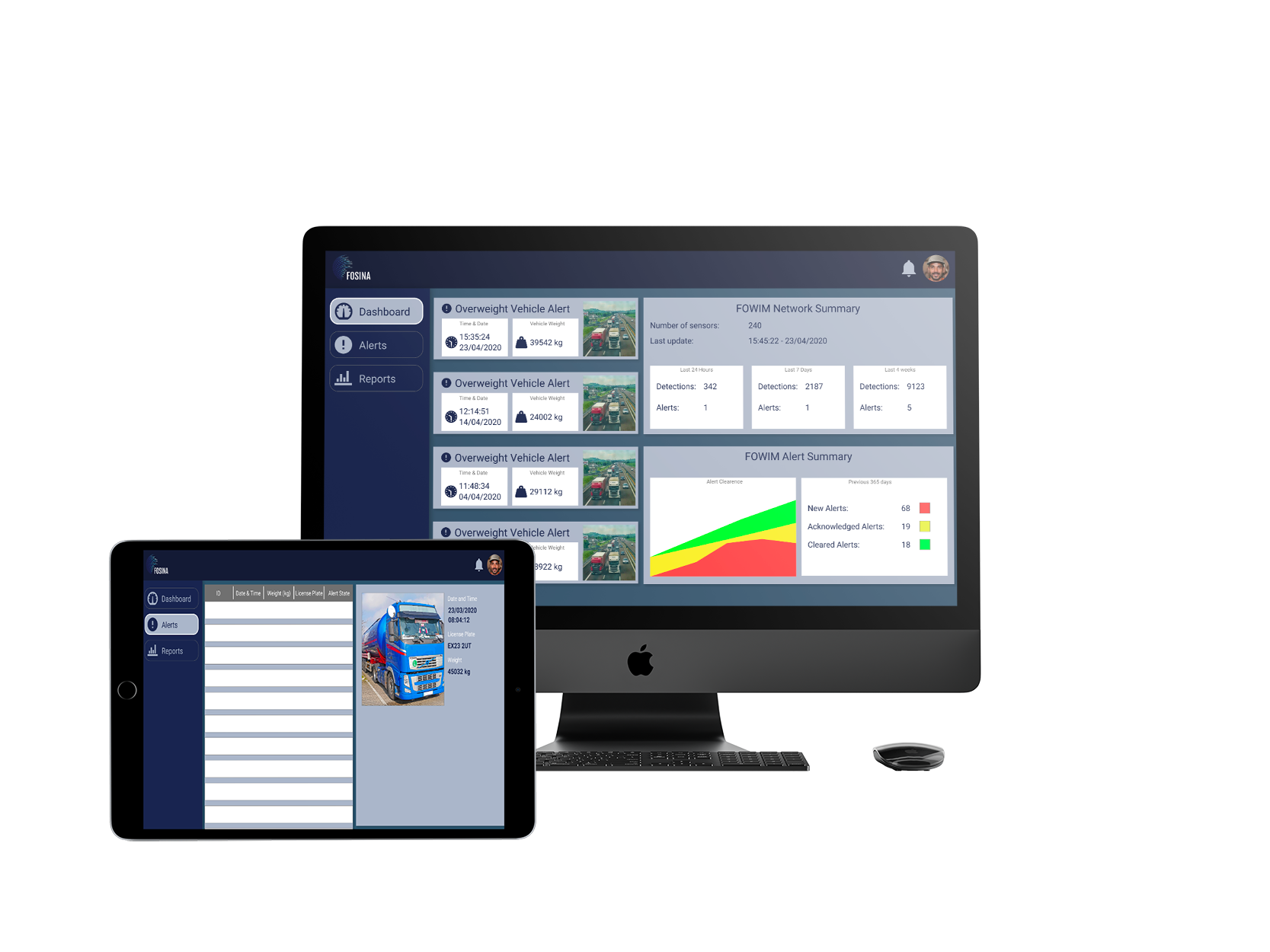
Individual FOWIM sensors can be deployed in a distributed network to monitor roads and detect the weight and details of vehicles passing by. Information about those vehicles, including a detection of overweight vehicles, will be centrally monitored in a secure office via a web-based application.
This web-based user interface provides full remote access including, system setup and diagnostics, data visualization and processing, and alert notification.
The user-friendly dashboard shows most recent events with detailed alarm view to provide required information about infractions, including: - Date and time of infraction - Location - Detected weight - License plate - Photograph
The application provide for a network of up to 150 FOWIM sensors along with a centrally managed application portal for clients to setup, monitor, and maintain the system remotely.
The system will also capture a photograph of the vehicle and determine the vehicle registration. The number plate can then be used to query external databases (such as governmental commercial vehicle databases) for vehicle classification, thus providing further data about the vehicle in question.
Historical report generation to better understand high risk locations thanks to statistics FOSINA tool including: - Per sensor and system wide reports - User selectable date range - Number of vehicles monitored - Number of infractions detected
All communication across public networks are encrypted using TLS security protocols. All data is encrypted to the latest standards to ensure client data is protected end-to-end. User identities are managed with certificates and multi-factor authentication as well as different layers of authorization available to limit access to important parts of the system.